Leafhoppers may be tiny, but they can have a big impact on vineyard health and grape quality. These small, sap-sucking insects feed on the underside of grapevine leaves, causing visible stippling (small white or yellow specks) and, in heavy infestations, reduced photosynthesis and weakened vines. Effective leafhopper management is key to protecting both crop yields and fruit quality.
Leafhoppers overwinter in leaf litter, emerging in spring to lay eggs on developing grape leaves. Each Leafhopper can lay up to 140 eggs, and their rapid life cycle means that multiple generations can occur in one growing season, allowing populations to build quickly if left unchecked. They also seem to thrive in the heat, and this year we’ve seen much higher numbers than usual.
Being a certified organic vineyard means that we can manage the leafhoppers in multiple ways. To keep the use of organic insecticides to a minimum, we always prefer alternative mitigation practices such as:
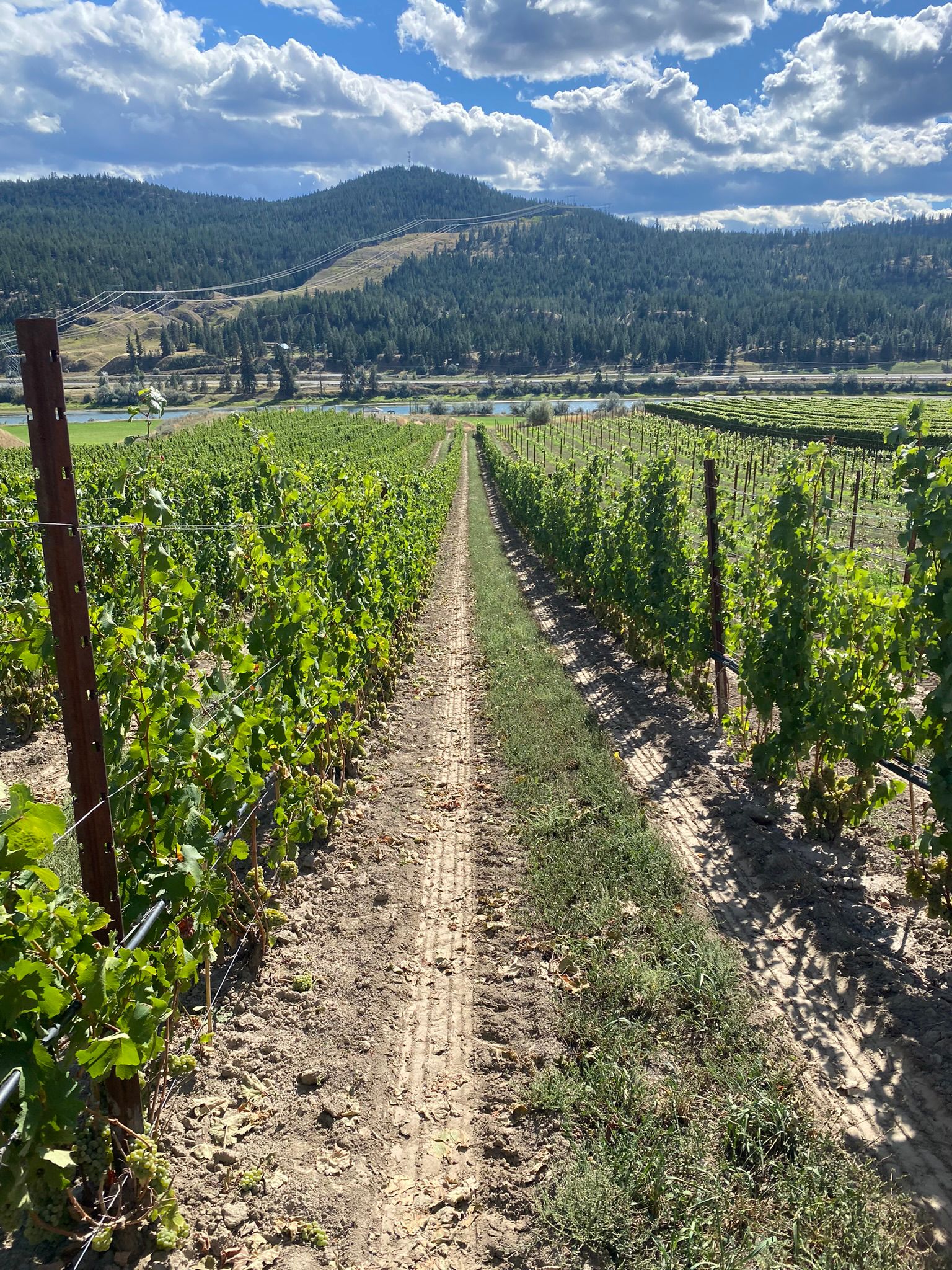
- Using cover crops as an alternative food source for the Leafhoppers
- Encouraging our wild bird population – Western Bluebirds, Western Kingbirds and Violet Green Sparrows feed primarily on insects, and we encourage them to nest in the vineyards with the use of bird boxes
- Releasing beneficial predatory insects into the vineyard to reduce Leafhopper populations
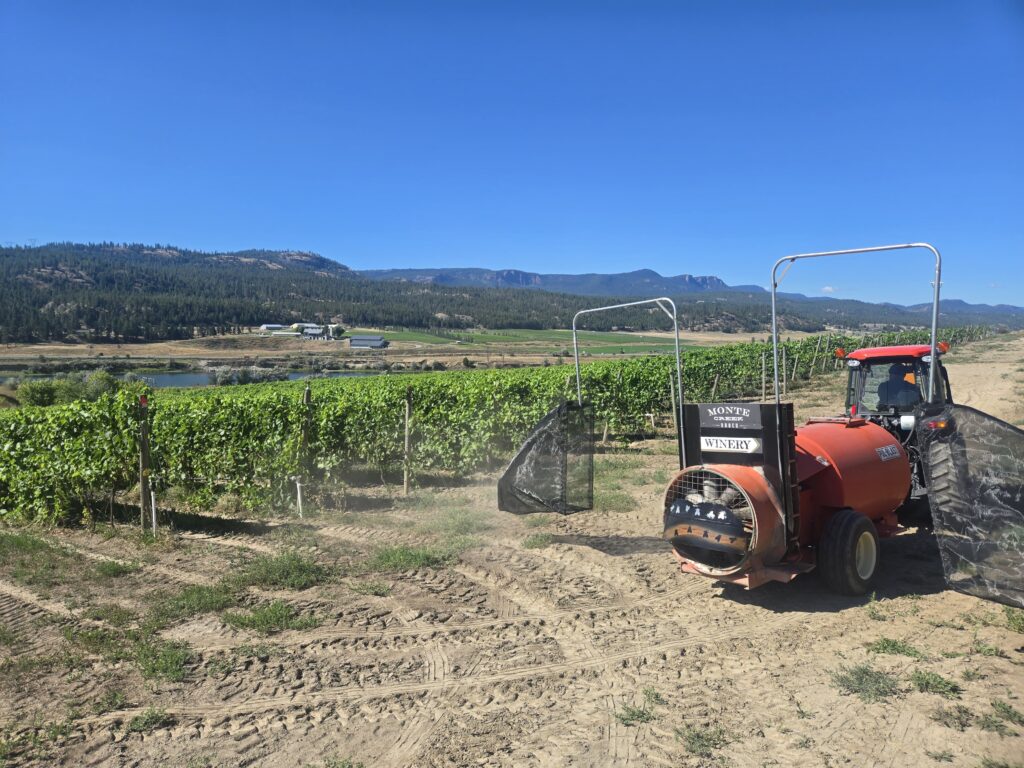
- Driving through the vineyards on the tractor and collecting them in nets.
As of right now, we haven’t seen any permanent damage from Leafhoppers, but we always keep a close eye on things to ensure the vines’ long-term health. If left unchecked, they can prevent entire blocks or vineyards from ripening. And if they cause enough damage to the leaves, the vines will not have the energy stores needed to survive the winter.
Healthy vines mean better wine – and keeping Leafhoppers in check is one more step towards producing a vibrant, expressive vintage.