
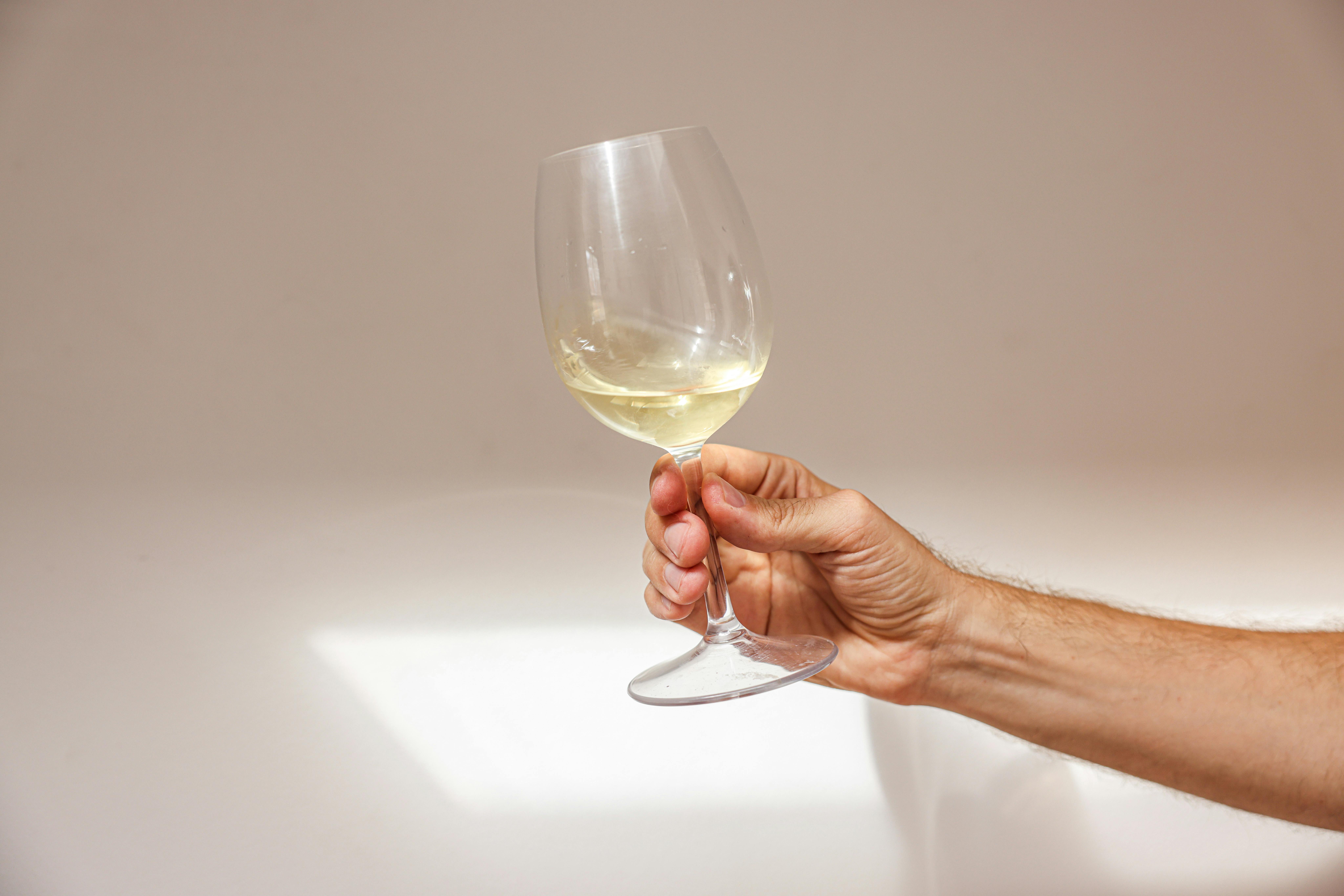
When you start your wine education, one of the first things you learn is to assess the appearance of a wine. We make note of the colour, but also the clarity of the wine. Before we go ahead and take a sip, we want to make sure that’s a good idea. Sometimes it feels like we’re just going through the motions because the same answer comes up so often for the white wines: the wine is clear, pale lemon.
But that’s not always the case. That shouldn’t make us immediately question the quality of the wine. A hazy wine? Well, the wine may be unfiltered, an approach often taken by producers who favour minimal-intervention winemaking. The same could be said for so-called wine diamonds.
Wine diamonds are a colloquial term for tartrate crystals. At first glance, they look like they could be shards of broken glass. But the reality is much different – and totally harmless. They form when tartaric acid combines with potassium and precipitates out as crystals of potassium bitartrate (the same compound as cream of tartar). This acid is naturally occurring in grapes, and gives white wines their crisp, mouthwatering character. As much as possible, winemakers look to retain freshness and, consequently, tartaric acid.
Tartrate crystals can form throughout the winemaking process, and often they’ll settle out during fermentation and aging. However, at cooler temperatures – like that of your freezer – they begin to form more rapidly. That’s, in part, why we’re not overly concerned with tartrate crystals for red wines. And, if they do form, they’re quickly stained by the colour of the wine, making them appear like sediment from an older bottle.
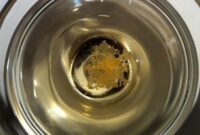
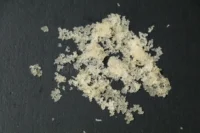
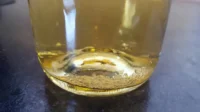
It’s a different story for white or rosé wines. These are very often chilled, sometimes for slightly too long. Especially if you’re like me. This means the wines can quickly develop tartrate crystals. With no colour, they look glittery, shiny, and glass-like, at least at a quick glance.
Many winemakers, consequently, will seek to avoid the development of tartrate crystals. The last thing they want is for the consumer to think there’s something wrong with their wine. However, like everything, there are trade-offs. After all, this is more of a cosmetic consideration than a quality one.The most common approach is through cold stabilisation, which replicates at the winery what you’d do at home. This means dropping the temperature close to the wine’s freezing point (typically around -4°C) and holding it in tank for over a week, allowing the tartrates to slowly drop out. We then transfer, or rack, the wine off the crystals, and the wine is ready to be bottled. However, this method uses a lot of energy – assuming we can’t leave the tank outside during cold winter temperatures – which is contrary to many sustainability initiatives.
There are other options, but they require more intervention. We can add crystallisation inhibitors like carboxymethylcellulose (CMC) or metatartaric acid. These additives prevent the formation of tartrate crystals, at least in the short term, without needing to chill the tanks down. However, as the wine ages, they become less effective. Consequently, they’re better for cheap and cheerful white wines, as opposed to wines you may want to lay down in the cellar. Alternatively, you can use heavy-duty equipment like electrodialysis or ion exchange. This provides longer-term protection against tartrate crystals, but fundamentally changes the composition of the wine.
Or there’s the final option: let it be. Many sustainable, low-interventionist wineries opt to allow tartrate crystals to form, because they want to leave the wine alone. If anything, it can be an indication of the philosophy of the winery. There’s no need to change a wine just to “improve” its appearance.
So, what do you do if you see wine diamonds in your glass? Stand the bottle upright, and allow the crystals to drop to the bottom of the bottle. Then, slowly pour the wine at a gentle angle, leaving the wine diamonds behind. If a crystal or two gets in your glass, it’s not the end of the world. Give it a taste – you’ll see it’s crunchy and slightly tangy, with no real flavour.
The next time you see tartrate crystals, show your friends. It’s more than just another piece of wine trivia. Hopefully it will empower you to enjoy your wine even more, and appreciate the beauty of wine diamonds. It’s just another thing to love about wine, and another way to turn an everyday moment into a special one.
Geoffrey Moss, Master of Wine